Revenue Cycle Management

Overview

R1 RCM is a company that provides technology-driven revenue cycle management (RCM) solutions to hospitals, health systems, and physician groups in the U.S.

Client

R1 RCM 

Year

2025

Overview

R1 RCM is a company that provides technology-driven revenue cycle management (RCM) solutions to hospitals, health systems, and physician groups in the U.S. They use a platform that combines automation, AI, and human expertise to manage administrative tasks like scheduling, billing, and claim submissions, aiming to improve financial performance for providers and enhance the patient experience. 

Vision & Goal

  • R1 RCM works with a large number of providers, including many of the top health systems in the U.S.
  • R1 RCM’s technology helps manage the entire revenue cycle, from patient registration and scheduling to coding, claim submission, payment follow-up, and customer service.
  • The company’s goal is to improve financial performance for healthcare providers by increasing net patient revenue and cash flows, reducing costs, and enhancing the patient experience.

Requirements

Managing enormous amounts of diverse data from sources such as hospitals, insurance companies, and patients, people organize all of the data into categories and convert it into visual format in Power BI Dashboards.

Stakeholder Interview

  • Get a lot of information on the technologies, priorities, and complexity of the data.
  • They intended to move all of the data to the Power BI platform.
  • Only a few customization options are accessible in the Power Bi platform, and designs must take that into mind.

Research and Analysis

  • The same Power BI platform was utilized with table data, and they intend to switch to more dynamic visualizations.
  • All of the tables were sorted into series levels (Series 1, Series 2, etc.) without any sort of classification.
  • Therefore, we scheduled a call with stakeholders to divide the categories and establish priorities.
  • Each table includes plenty of details that are longer and larger.

Brainstorming

  • 60% of the data relates to time intervals; hence, we intended to use line and combo charts for this.
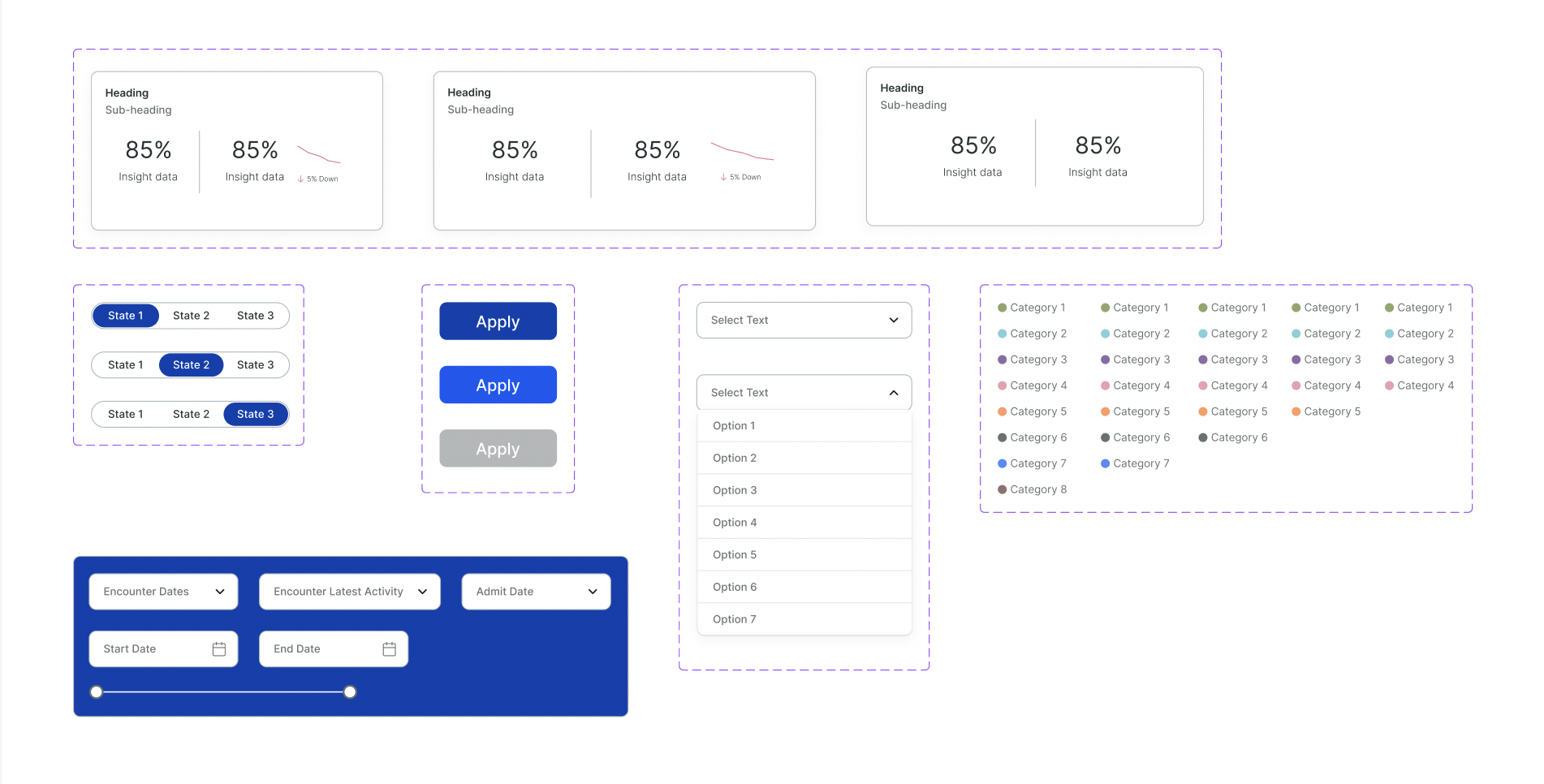
  • Using tiles for current values or data and important targets.
  • We intend to display the drill-down with primary data along with a link so that users can explore the filtered data table further if they so choose.
  • For categorization, using a pie chart with a real-time data table on the opposite side.

Challenges

  • Our Major obstacles were the limited number of charts and the ease of customizing for complicated data sets.
  • get more complex when we exhibit numerous values or data in a single visualization. To do this, we segregated the main data into several visualizations.

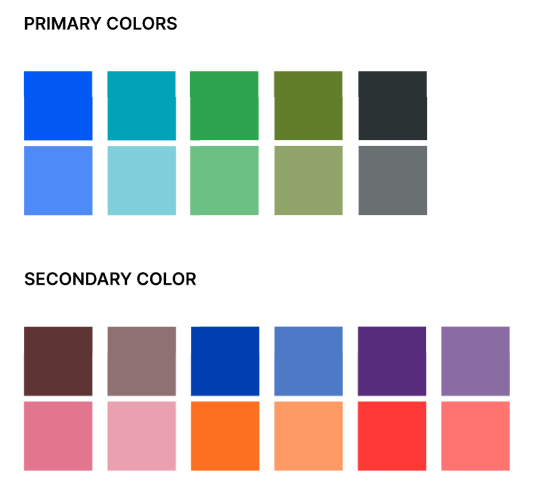
Colors

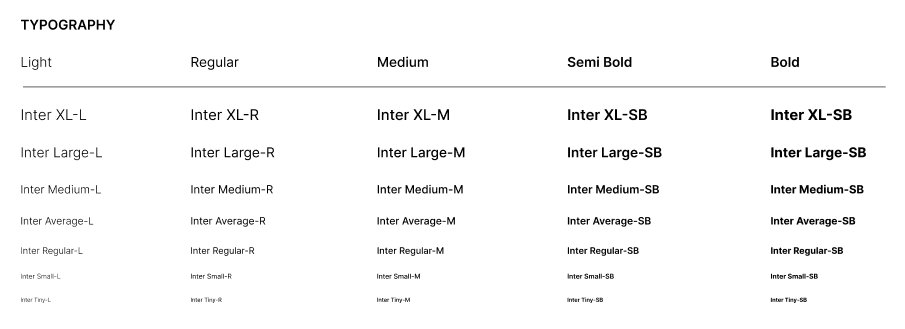
Typography

Components

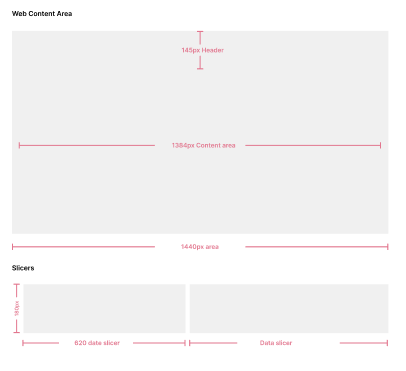
Layout

Design

  • Here below is the figma prototype link

Impacts

  • Through the drill-down capabilities, improving data accessibility by 30%.
  • Categorization and visual states improve reading and understanding, saving an hours every day.

Thank you!